
Navigating family conflicts can be challenging and emotionally draining. However, family dispute mediation offers a constructive way to resolve issues while preserving relationships. In this blog, we’ll explore how mediation can be a valuable tool for improving familial bonds.
Understanding the Role of a Mediator
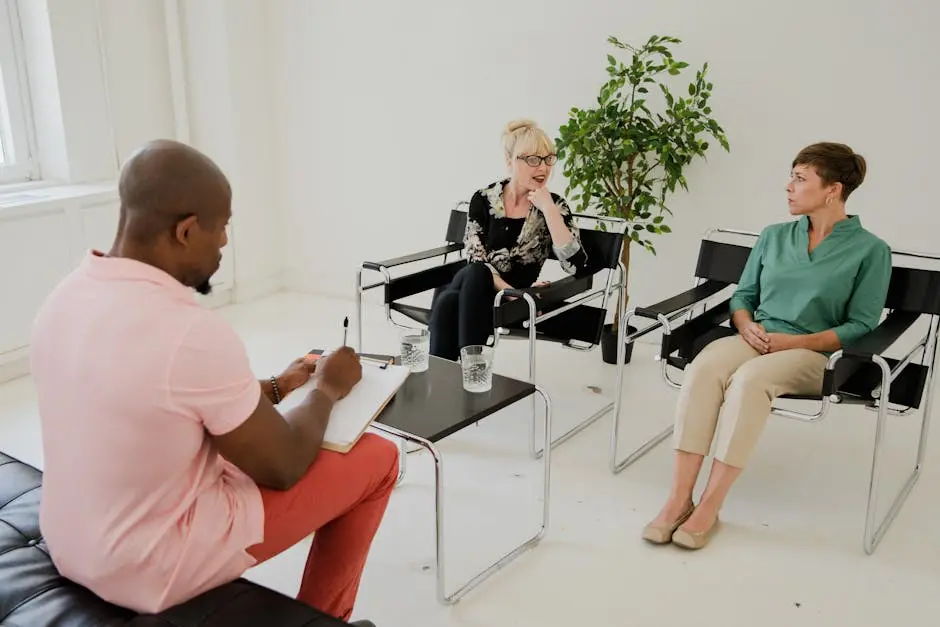
A mediator acts as a neutral third party, facilitating conversations and helping families reach mutually beneficial agreements. Unlike a judge, a mediator does not impose decisions but rather guides discussions, encouraging open communication.
The mediator’s role is crucial in maintaining a balanced and fair discussion. By remaining impartial, they provide a safe environment where family members can voice their concerns and express their emotions without fear of judgment. This neutrality helps participants feel equal and respected, which is fundamental for productive dialogue.
Moreover, mediators are trained in conflict resolution techniques, allowing them to effectively navigate heated discussions and keep them on track. Their skills in summarizing points and highlighting common goals are invaluable in helping families find middle ground.
Another significant aspect of a mediator’s role is to educate the parties involved about the mediation process itself. This can demystify the experience, making participants more comfortable and engaged. Understanding the process ensures everyone knows what to expect and can help prevent misunderstandings.
The Benefits of Mediation Over Litigation
Mediation is often less adversarial than litigation, fostering a cooperative environment. It not only saves time and money but also reduces stress by keeping proceedings private and less formal.
Litigation can often amplify conflict by positioning family members against each other in a win-lose scenario. This adversarial nature can lead to long-term relationship damage, whereas mediation seeks to improve and preserve these connections through mutual agreement.
In addition to being less confrontational, mediation often allows for more flexible and creative solutions. Courts are limited to applying the law, but mediation can explore a wide range of customized resolutions that satisfy all parties involved. This flexibility is particularly beneficial in complex family dynamics where standard legal outcomes may not be suitable.
Additionally, because mediation tends to be quicker, it minimizes the emotional toll on family members. The process is less about exposing faults and more about finding practical solutions, which can be a huge relief for those involved.
Enhancing Communication and Understanding
By emphasizing active listening and empathy, mediation helps family members better understand each other’s perspectives. This can lead to improved communication skills that extend beyond the mediation process.
Mediation sessions provide a structured setting where each party has the opportunity to speak and be heard. The presence of a mediator means that conversations remain respectful and productive, minimizing the likelihood of misunderstandings and fostering empathy.
Through techniques such as role-playing and mirroring, mediators encourage participants to consider the viewpoint of others, which can significantly enhance understanding and reduce hostility. As family members begin to listen actively and with intent, communication barriers start to dissolve.
Moreover, the skills learned during mediation—such as reflective listening and nonverbal communication—can be applied in everyday interactions. This makes mediation not just a temporary solution to a specific conflict, but a foundational tool for enhancing overall relational dynamics.
Creating Customized Resolutions
Each family’s situation is unique, and mediation allows for tailored solutions that meet the specific needs and wishes of all parties involved. This flexibility often results in more satisfactory outcomes.
In contrast to a one-size-fits-all judicial ruling, mediation allows families to craft solutions that align with their values and priorities. This can include customized arrangements for living situations, financial obligations, or parenting responsibilities.
This level of personalization is made possible because mediation encourages creativity in problem-solving. Participants can propose and negotiate innovative solutions that might not be considered in a court of law, resulting in agreements that are practical and sustainable for all involved.
The result is often a deeper sense of ownership over the agreed-upon resolutions. When family members contribute to the shaping of their own agreements, they are more likely to honor them, ensuring longer-term success and stability.
Building Stronger Family Relationships
Through collaborative problem-solving, families can rebuild trust and deepen their bonds. Mediation can pave the way for ongoing positive interactions and a healthier family environment.
Participating in mediation can be an empowering experience for family members. The process emphasizes collaboration and collective problem-solving, which not only resolves the immediate conflict but also fosters a sense of unity and belonging.
One of the key outcomes of successful mediation is the rebuilding of trust. By working together to reach a consensus, families demonstrate their commitment to one another and their relationship. This renewed trust can lead to increased emotional closeness and stability over time.
Furthermore, the skills and understanding developed during mediation sessions become invaluable tools for future interactions. When faced with potential conflicts down the road, families can draw on these experiences to engage in constructive dialogue, promoting a nurturing and supportive family dynamic.
Embracing Mediation for a Healthier Family Dynamic
Family dispute mediation can transform the way family members interact, turning conflict into an opportunity for growth and understanding. By choosing mediation, families can nurture healthier dynamics and cultivate lasting harmony.
718077 873342dress shops that offer discounts are really common in our spot and i always shop at them,. 143504
I’ve tried many sites but this one has the best vibes. The games are fair and the payouts are quick. Loving my time at kr21casino so far!
352851 679896Completely pent subject matter, regards for entropy. 886777
968632 288626Woh I enjoy your content , saved to favorites ! . 215117