Table of Contents
- The Growing Need for Virtual Dispute Resolution
- Why Traditional In-Person Mediation Falls Short Today
- Understanding Online Dispute Resolution Platforms
- Building Effective Hybrid Mediation Workflows
- How We Prepare Mediators for Digital Practice
- Our Comprehensive Virtual Mediation Training Curriculum
- Technology Integration and Best Practices
- Certifying Mediators for Remote and Hybrid Cases
- Real Results from Our Virtual Mediation Graduates
- Starting Your Profitable Virtual Mediation Practice
- Support and Ongoing Training Throughout Your Career
- Frequently Asked Questions (FAQ)
The Growing Need for Virtual Dispute Resolution
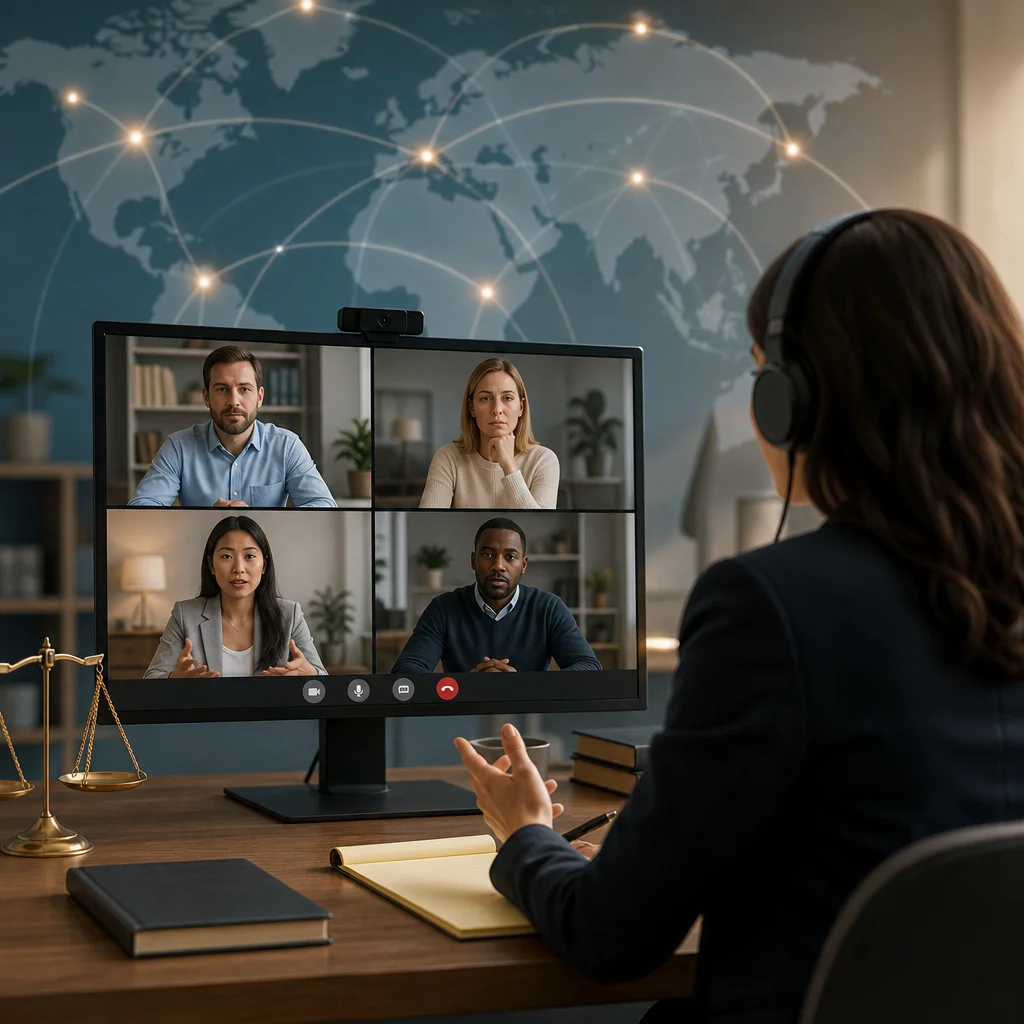
Disputes don’t stop for geography or schedules. In 2026, parties involved in conflicts across state lines, international boundaries, and busy work calendars need resolution mechanisms that adapt to reality. Virtual mediation workflows have moved from experimental to essential.
The shift is driven by simple economics and accessibility. Remote mediation reduces travel costs for participants, expands a mediator’s potential client base beyond their physical location, and accommodates parties who cannot meet in person. Companies managing workplace conflicts across multiple offices, families spread across continents, and businesses in contract disputes all benefit from mediation that happens where people already are: online.
We’ve seen the demand accelerate as organizations recognize that virtual dispute resolution isn’t a compromise—it’s often faster, more efficient, and equally effective when structured properly. Mediators who can facilitate both synchronous video sessions and asynchronous written exchanges gain competitive advantage. This flexibility matters whether you’re mediating a $50,000 contract disagreement or a high-stakes divorce settlement.
Your next step: assess whether your current mediation approach limits you to local clients only. If so, virtual capabilities represent immediate growth potential.
Why Traditional In-Person Mediation Falls Short Today
In-person mediation has real value for certain cases, but it carries structural limitations that virtual workflows solve. Scheduling three parties and two attorneys in the same physical location on the same day is genuinely difficult. Travel time and cost become barriers, especially for lower-value disputes where mediation should be proportionate.
In-person sessions also create logistical friction that can derail early resolution attempts. A mediator might spend 40% of billable time managing room logistics, breaks, and side caucuses rather than deepening dialogue. Virtual platforms compress these tasks, giving mediators more time for substantive work.
There’s also the psychological dimension. Some parties feel less threatened when they mediate from familiar environments. Divorce mediation particularly benefits when participants can take breaks in private spaces rather than sitting in waiting areas. Complex business disputes sometimes move faster when parties can consult with advisors nearby without the awkwardness of leaving a physical mediation room.
Virtual workflows don’t eliminate in-person mediation; they expand options. Many experienced mediators now offer hybrid approaches: initial intake calls and settlement discussions online, final agreements executed in person if needed. This flexibility increases your marketability and allows you to serve more clients with fewer scheduling conflicts.
Start documenting which of your case types could be resolved efficiently online without sacrificing mediation quality.
Understanding Online Dispute Resolution Platforms
Online dispute resolution (ODR) platforms are the infrastructure layer of virtual mediation. They handle secure video conferencing, document exchange, evidence sharing, and sometimes automated negotiation tools. However, the platform itself is only part of the system.
Effective ODR environments include:
- Secure video rooms with breakout session capability for private caucuses
- Document repositories accessible to all parties or mediator-controlled, depending on case sensitivity
- Digital signature capability for settlement agreements
- Recording features (when parties consent) that reduce transcription time
- Chat or messaging for clarifying points without interrupting verbal flow
We see mediators make two common mistakes with platforms. First, they assume the technology alone drives efficiency, neglecting to develop clear protocols for how the mediation will flow. Second, they underestimate the importance of platform training before the actual session, leading to technical glitches that undermine participant confidence.
The best platforms fade into the background. Parties shouldn’t notice the technology; they should notice that the mediator is fully present, organized, and in control. This requires preparation that goes beyond knowing which buttons to click.
Before choosing a platform for your practice, test it under realistic conditions. Run a full simulation with multiple participants and problems: someone with poor internet, someone unfamiliar with video conferencing, document sharing during a tense moment. Your comfort level directly translates to client confidence.
Building Effective Hybrid Mediation Workflows
Hybrid mediation blends remote and in-person elements strategically. A typical workflow might begin with virtual intake interviews, move to a primary online mediation session, and conclude with in-person signature and handoff of final documents.
Here’s why this structure works:
Intake phase (virtual): Video calls let you assess case complexity, identify parties’ underlying interests, and screen for safety issues without requiring anyone to travel. You gather documents digitally and establish rapport in a low-stakes environment.
Mediation phase (virtual or in-person): For most disputes, the substantive work happens best online. You can facilitate caucuses more efficiently, control the pace, and leverage breakout rooms to de-escalate tension. Parties appreciate staying in environments where they feel supported.
Finalization phase (flexible): Some cases resolve with digital signatures and document delivery. Others benefit from a final in-person meeting where parties shake hands and discuss implementation together. You decide based on case dynamics.
The workflow also accommodates unexpected complications. If a party becomes emotionally dysregulated during an online session, you can pause, reschedule, and restart without having paid for everyone’s travel. If a settlement emerges and parties want to finalize same-day, you’re not constrained by availability of a physical mediation space.
We recommend documenting your hybrid workflow in writing and sharing it with prospective clients upfront. Clarity about process builds confidence and reduces scope creep.
How We Prepare Mediators for Digital Practice
Training for virtual mediation requires more than teaching the technical steps. We focus on three core competencies: platform mastery, online communication skill, and virtual case management.
Platform mastery means understanding your tools deeply enough to troubleshoot in real time. This isn’t about becoming an IT specialist; it’s about knowing how to reset a participant’s audio, manage breakout rooms smoothly, and keep a digital record organized. Our training includes hands-on practice with the same platforms you’ll use in actual mediation.
Online communication skill is different from in-person facilitation. You lose body language cues below the waist. Tone becomes more important. The ability to read a participant’s engagement level through a camera takes practice. You learn to use verbal summarization more frequently, direct questions more clearly, and manage silence differently in virtual space.
Virtual case management covers organizing files, scheduling across time zones, maintaining confidentiality in digital systems, and handling technical failures gracefully. When your internet drops mid-caucus, participants shouldn’t feel abandoned. We train you to set expectations and have backup plans.
Our 40-hour certification curriculum dedicates significant time to digital mediation specifically. You complete role-play simulations online with trained instructors who give real feedback on your virtual facilitation. This prepares you for the actual dynamics you’ll encounter with paying clients.
Our Comprehensive Virtual Mediation Training Curriculum
We’ve designed our program around the realities of mediation practice in 2026. The core 40-hour certification covers foundational mediation skills plus digital-specific modules that you won’t find everywhere.
Key components include:
- Mediation fundamentals: neutrality, confidentiality, ethical responsibilities
- Conflict assessment and case analysis
- Virtual facilitation techniques with live video instruction
- Building your private mediation practice, including virtual marketing and client acquisition strategies
- Divorce, family, business, and workplace mediation specializations
- Technology setup and platform management
- 12 hours of role-play simulation with real instructors observing and coaching your virtual sessions
You graduate with both a nationally recognized certification and practical knowledge of how to launch a profitable practice. Many students finish in under 30 days, and we offer 100% flexibility to study at your pace around existing work or family commitments.
We also provide access to our alumni network, weekly mentoring calls with experienced mediators, and ongoing support resources. The program doesn’t end at graduation; it’s your foundation for a long career.
Technology Integration and Best Practices
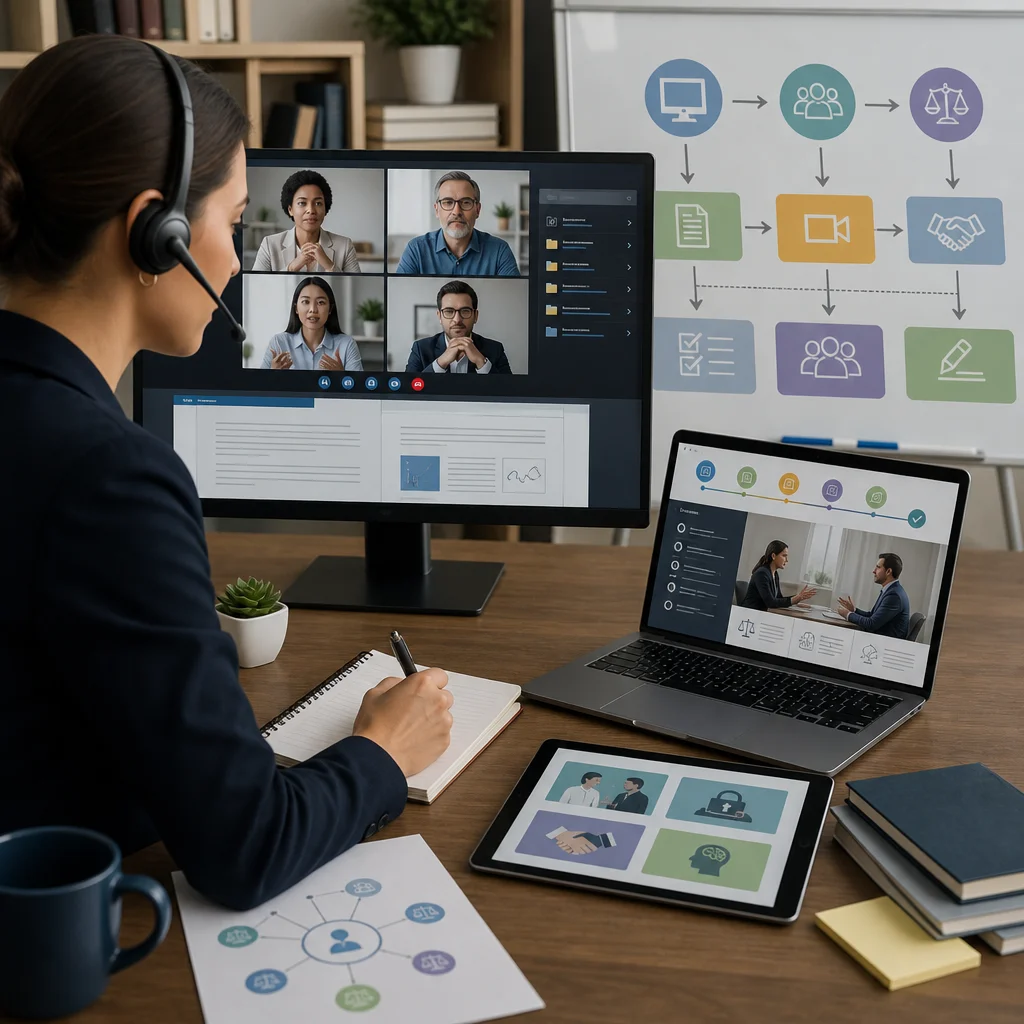
The right technology stack for your virtual mediation practice includes a secure video platform, document management system, digital signature tool, and scheduling software. You don’t need separate solutions for each; many integrated packages now handle all of these.
Best practices we teach:
- Test your setup 15 minutes before every session. Check audio, video, lighting, and internet speed.
- Use a professional background or blur feature. Distractions undermine your credibility.
- Mute participants during opening statements to prevent side conversations; unmute for dialogue.
- Record sessions only with explicit written consent and secure the files accordingly.
- Send agenda and platform instructions to all parties 24 hours before mediation.
- Have a backup communication method (phone number for conference bridge) in case video fails.
- Use screen sharing to review documents together, improving clarity and reducing confusion.
Many mediators assume participants will simply know how to use the platform. We’ve learned that five minutes of technical orientation prevents 20 minutes of frustration later. Send a brief tutorial video before the session or schedule a 10-minute tech check with participants unfamiliar to video conferencing.
Document your process and refine it continuously. After your first 10 cases, you’ll identify which steps work and which need adjustment.
Certifying Mediators for Remote and Hybrid Cases
Certification standards for mediators practicing virtually need to address both mediation competency and digital competency. We evaluate both.
Our certification requires:
- Demonstrated ability to conduct effective mediation sessions online with real parties or trained actors
- Knowledge of technology platforms and troubleshooting common issues
- Understanding of confidentiality and data security in digital environments
- Competence in written communication (emails, settlement summaries) that reflects mediation quality
- Knowledge of legal requirements for virtual dispute resolution in relevant jurisdictions
Certification isn’t a one-time checkbox. We offer recertification programs that keep you current with evolving technology, new case law around remote mediation, and emerging best practices. Our mediator trainer-level certification is also available if you want to teach other mediators.
The certification carries weight because we maintain rigorous standards. Employers, courts, and private parties all recognize our graduates as mediators who can deliver results in virtual and hybrid environments.
Real Results from Our Virtual Mediation Graduates
Our graduates work across diverse practice settings: private mediation firms, corporate HR departments, courts handling civil case mediation, and solo practices they’ve built themselves. Many have transformed their income by moving to virtual practice.
One example: a family law attorney expanded her mediation practice from serving clients within 50 miles of her office to handling cases nationwide. Virtual mediation let her serve parties in different states without relocation or travel costs. Her caseload tripled within a year.
Another: a workplace consultant built a six-figure mediation practice from scratch after completing our certification, focusing on remote employment disputes. Virtual mediation became his competitive advantage because he could serve companies managing distributed teams across multiple time zones.
We regularly receive feedback that the marketing training component changed practitioners’ success rates. Many certified mediators struggle with client acquisition, not mediation skill. Our marketing for mediators course specifically addresses how to position yourself for virtual cases, build a digital presence, and generate referrals.
Over 350 verified five-star testimonials from our graduates speak to the practical value of our training. These aren’t generic comments; they reflect real mediators who’ve launched practices, scaled existing ones, and solved the technical and business challenges of virtual mediation.
Starting Your Profitable Virtual Mediation Practice
Launching a mediation practice in 2026 requires a realistic business plan, not just certification. We guide you through the steps: determining your specialization (family, business, workplace, divorce mediation), identifying your target market, setting your fees, establishing your legal structure, and acquiring liability insurance.
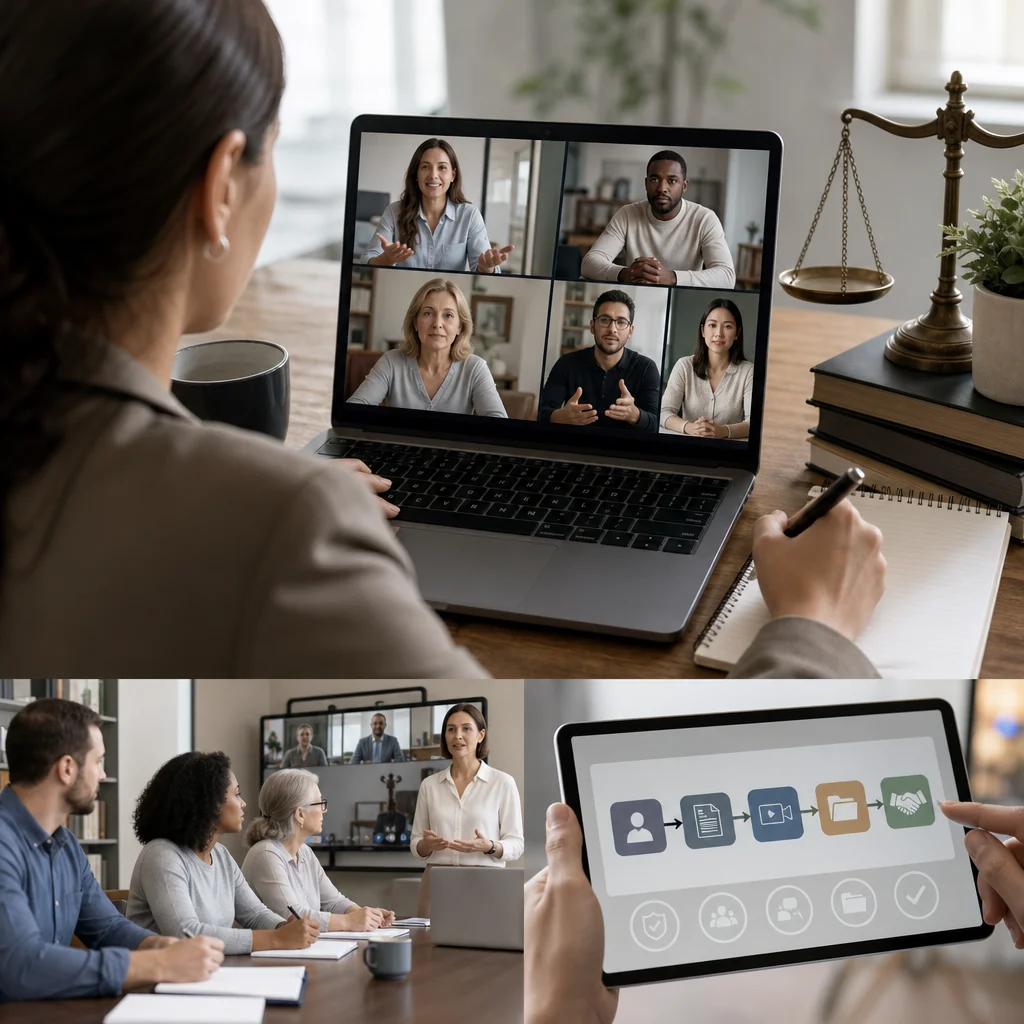
Your virtual practice needs:
- A professional website showcasing your credentials and case experience
- Clear explanation of your mediation process and fees
- Easy scheduling system so prospects can book intake calls
- Professional email and communication systems
- Liability insurance (we help members access coverage at group rates)
- Systems for managing documents, agreements, and client records
Many aspiring mediators price themselves too low, underestimating the value they deliver. A divorce mediation that saves a couple $15,000 in litigation costs justifies a $2,500 to $5,000 mediation fee. A business mediation resolving a contract dispute within hours justifies fees in the $5,000 to $15,000 range depending on complexity and parties involved.
Our mediation career guide walks you through building both a sustainable business model and a reputation that generates consistent referrals. Virtual mediation gives you geographic freedom; structure your practice accordingly.
Start small if you’re transitioning from another profession. Take your first 10 cases at reasonable rates to build confidence, client testimonials, and case examples. Gradually increase your fees as demand grows.
Support and Ongoing Training Throughout Your Career
Certification is a beginning, not an ending. Mediation practice evolves, technology changes, and new case types emerge. We maintain connection with our graduates through ongoing support.
Our alumni community provides:
- Weekly mentoring calls where you can discuss challenging cases, business questions, or technical issues with experienced mediators
- Continuing education courses on specialized topics: high-conflict divorce mediation, business valuation disputes, workplace harassment cases, and new platforms or tools
- Networking access to other certified mediators for referrals, consultation, or collaboration
- Regular updates on legal developments affecting virtual dispute resolution
- Recertification pathways that keep your credentials current
Many of our most successful practitioners attribute their growth to staying connected with the community. A question you have at 2 p.m. on a Tuesday might be answered by someone in the alumni network who faced the same challenge.
We offer mediator trainer-level programs for those who want to teach others or expand into consulting. We also provide CLE credit for lawyers interested in mediation, and training for union stewards navigating workplace conflicts.
Your investment in certification continues generating value for years. We’re here to support that journey.
Starting your virtual mediation practice starts with proven training and realistic guidance. Our comprehensive program gives you both. You graduate with a gold-embossed certificate, a digital ID card, real instructor support, and the confidence to handle virtual and hybrid mediations professionally. Our 3-day money-back guarantee and employer tuition reimbursement options remove barriers to getting started. Explore our 40-hour certification program today and join hundreds of mediators who’ve built profitable practices in virtual dispute resolution.
Frequently Asked Questions (FAQ)
How does our virtual mediation training prepare me to handle digital disputes effectively?
We integrate real-world digital platforms and hybrid scenarios throughout our 40-hour certification course, so you gain hands-on experience with the tools and techniques that modern mediations require. Our curriculum includes 12 hours of role-play simulations with instructors who guide you through remote cases, video conference dynamics, and asynchronous communication challenges. You’ll learn to manage the unique obstacles of virtual mediation, from technology troubleshooting to building rapport across screens, before you work with actual clients.
Can I earn a living as a virtual mediator right away after completing your certification?
We equip you with both the credentials and the business roadmap to launch a profitable practice. Our certification meets globally recognized standards, and we teach you how to market your mediation services and structure your business model for success. Many of our graduates scale to six-figure practices within their first year, though your timeline depends on your effort in client acquisition and how you differentiate your services in your local market.
What support do we offer if I need help with technology or have questions during my training?
We provide 24/7 support and assign you a real instructor who guides you through the entire program via weekly coaching calls. Our team assists with platform questions, course content, and business strategy, so you’re never stuck troubleshooting alone. We also maintain a private alumni community where our graduates share technology tips and best practices for running virtual mediation practices.